Impact of U.S. Midterm Elections on Taiwan's Economy
China Times Editorial, October 30, 2026
The United States is approaching its midterm elections, with multiple forecasts and opinion polls indicating that the Republican Party faces a serious challenge in defending its majority in the House of Representatives.
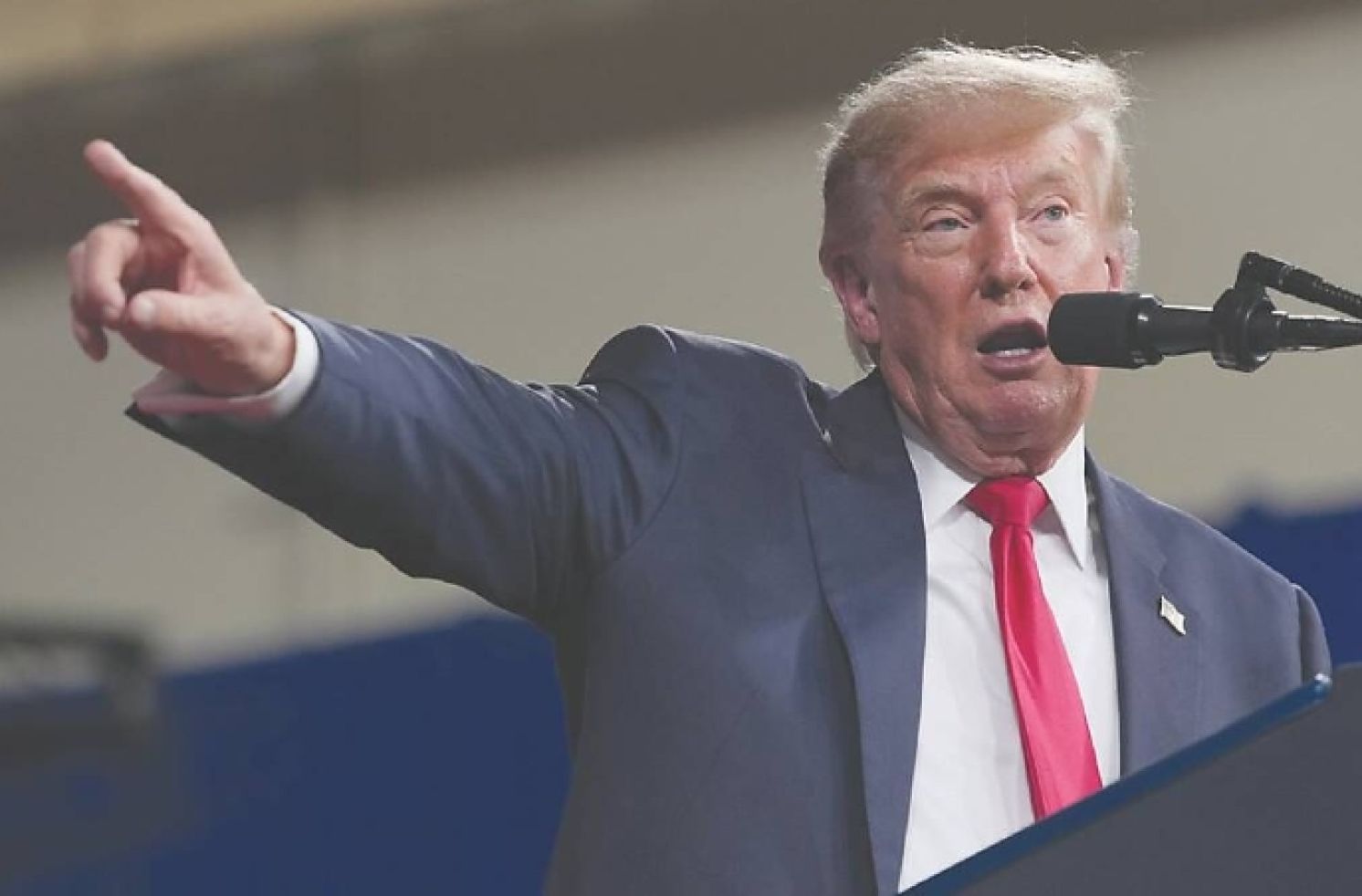
President Donald Trump has made "America First" the centerpiece of his economic policy, treating foreign countries' investment and procurement commitments to the United States as major political achievements. However, the enormous figures announced at signing ceremonies do not necessarily translate into tangible improvements in voters' daily lives. Although economic growth in the United States is still projected to reach 2.2 percent this year, with related capital expenditure related to artificial intelligence (AI) continuing to support the economy, investment expansion and employment growth are becoming increasingly disconnected.
While the high-tech industry boosts productivity, it may also reduce entry-level and mid-skilled job opportunities, creating a paradox: gross domestic product (GDP) and productivity figures appear impressive, yet ordinary households find it increasingly difficult to secure good jobs, while wages fail to keep pace with the cost of living.
At the heart of the problem are the time lag in economic growth and the unequal distribution of its benefits. New investments often take three to five years to progress from contract signing and factory construction to full-scale production and increased hiring. Meanwhile, rent, car loans, insurance premiums, and everyday expenses must be paid every month. Furthermore, the Trump administration has repeatedly turned to alternative legal authorities to maintain its tariff measures, creating a situation in which tariff refunds are being pursued while new duties continue to be collected. For businesses, the problem is not merely the level of tariffs but also the lack of policy stability. Supply chain contracts, import costs, and product pricing all require a predictable regulatory environment. When legal foundations and tariff rates change repeatedly, companies find it difficult to plan investments and production.
Tariffs were originally intended as bargaining chips in negotiations, but policy uncertainty may turn them into additional costs for businesses and financial burdens for consumers. The resulting price pressures have an even more direct impact on voters. The inflation rate rose to 3.7 percent in September, while average gasoline prices increased by approximately 42 percent compared with a year earlier, and diesel prices surged by more than 70 percent. Among respondents concerned about the affordability of everyday goods, 83 percent believe that tariffs have driven up prices.
As voters pay higher bills every day, even if the Democratic Party regains control of the House of Representatives or goes further to secure a majority in the Senate, American economic and trade pressure on foreign countries will not necessarily come to an end. The president's existing legal authority over trade will not automatically disappear with changes in congressional seats, nor will foreign countries' previous investment and procurement commitments to the United States automatically be withdrawn because of Republican electoral losses.
On the contrary, if a divided Congress leads to legislative gridlock at home, then demanding that foreign countries fulfill their commitments or even increase them may become an important means for Mr. Trump to continue demonstrating political achievements during the remainder of his term. Therefore, even if the midterm elections amount to a rejection of Mr. Trump's economic policies, this does not mean that American economic and trade pressure will diminish accordingly.
For Taiwan, the subsequent review and implementation of the U.S.-Taiwan Reciprocal Trade Agreement and investment memorandum of understanding will not become easier simply because of changes in the American political landscape. These arrangements involve market opening and procurement commitments in sectors such as energy and aviation. While they may create business opportunities, they could also expose certain domestic industries to more direct competition. If the government merely emphasizes that commitments must be fulfilled without adequately explaining how the benefits will materialize and who will bear the costs, then it risks triggering new social controversies. The necessity, fiscal burden, and actual effectiveness of expanded procurement and increased defense spending should also be subject to public scrutiny. Money spent should not automatically be treated as a measure of policy success.
The dilemma that Mr. Trump faces is precisely a breakdown of trust between "major deals abroad" and "household bills at home." As Taiwan fulfills its international commitments, it must also ensure that the benefits are realized, the costs are properly managed, and the policymaking process remains transparent and subject to public oversight.
From: https://www.chinatimes.com/opinion/20261030000215-262113?chdtv